How Captive Insurance Supports the Construction Industry
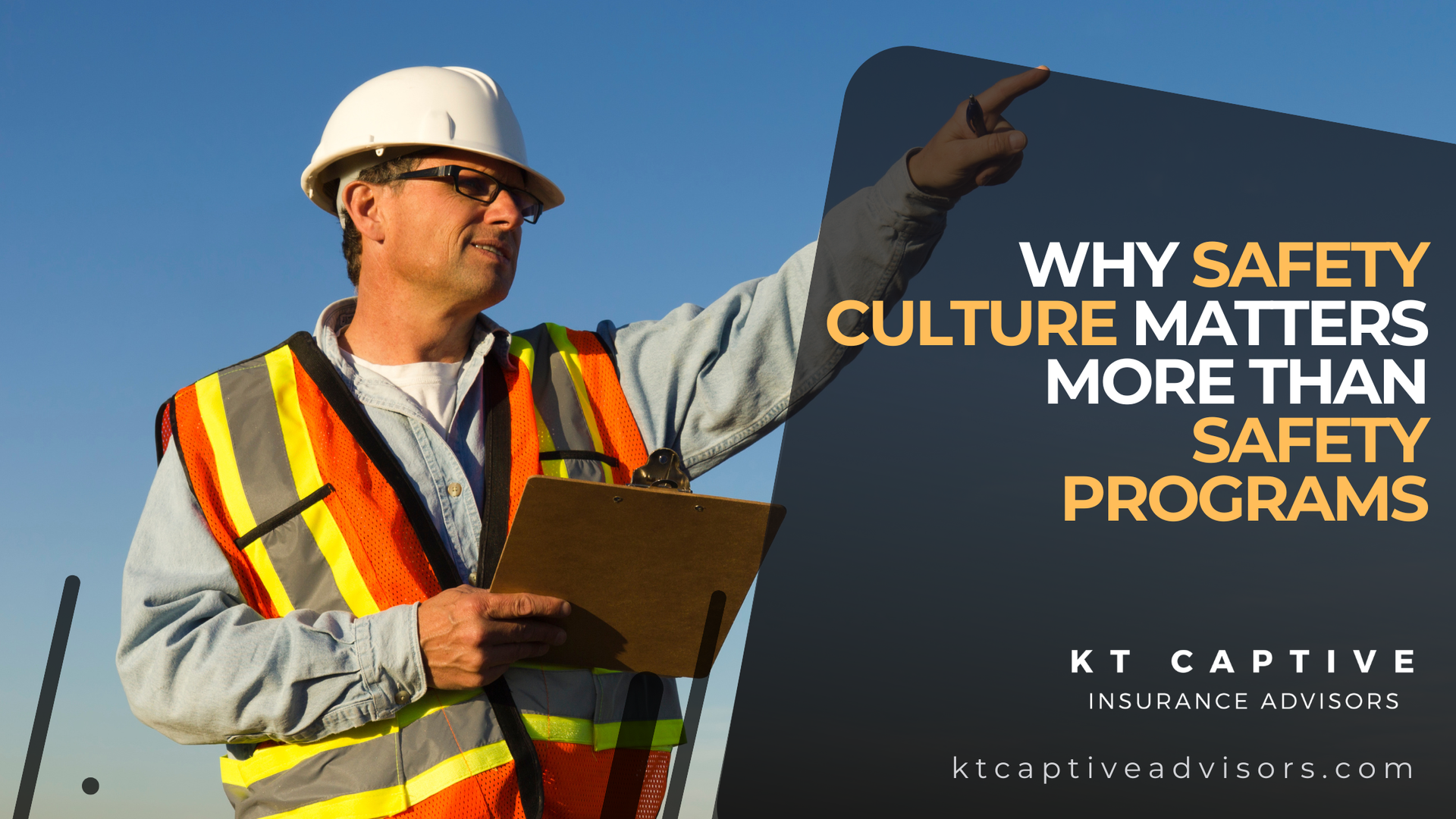
In construction, safety isn’t something you pencil in at the end of a project checklist; it’s a mindset that should guide every decision, from the very first blueprint to the final walkthrough. With tight deadlines, heavy machinery, multiple crews on site, and conditions that can change by the hour, construction teams face real risks every single day. One overlooked detail or rushed moment can have lasting consequences for workers, timelines, and budgets. That’s why more contractors are rethinking how they approach risk and turning to captive insurance companies as a smarter, more proactive solution. Instead of simply reacting to accidents after they happen, captive insurance helps construction firms take control of their risk, manage costs more effectively, and support safer job sites from the ground up.
Captive insurance doesn’t just cover losses when something goes wrong; it plays an active role in helping construction businesses strengthen safety programs, identify risk trends, and make better decisions before incidents occur. It shifts the focus from damage control to prevention, creating a culture where safety is part of the project plan, not an afterthought.
And in an industry where every job site tells a different story, the real question becomes: what if your insurance strategy worked just as hard as your crews do to keep everyone safe?
Why Safety Is Critical in the Construction Industry
Construction is one of those industries where the risks are always present. From working at heights and operating heavy equipment to navigating busy, unpredictable job sites, even small mistakes can lead to serious consequences. Falls, equipment accidents, property damage, and on-the-job injuries don’t just slow a project down; they can throw timelines off track, stretch budgets thin, and take a real toll on team morale.
The impact goes far beyond the immediate costs of a claim. Safety incidents can hurt productivity, increase turnover, and damage a company’s reputation with clients, partners, and future employees. When workers don’t feel safe, everything from performance to retention suffers.
That’s where the difference between traditional insurance and captive insurance becomes clear. Traditional insurance typically responds after something goes wrong. Captive insurance shifts the focus forward, encouraging construction companies to identify risks early, invest in prevention, and make safety a priority before problems ever reach the job site.
How Captive Insurance Supports a Culture of Safety
One of the greatest strengths of a construction captive insurance program is how closely it aligns safety with business success. When companies ensure their own risks through a captive, safety stops being just a compliance requirement and becomes a shared responsibility. Every incident matters, and every improvement counts, because the company has a direct stake in the outcome. Instead of relying on an outside carrier to dictate terms, captives encourage construction firms to take ownership of their risk. That ownership naturally leads to better habits, stronger planning, and a more intentional approach to job site safety.
Captive insurance supports a culture of safety by:
- Encouraging stronger risk management and loss control practices
- Rewarding proactive safety programs and ongoing training initiatives
- Providing meaningful data that highlights trends, gaps, and problem areas
- Creating accountability at every level, from leadership to the field
When claims are reduced, the captive performs better, and that performance comes back to benefit the companies involved. In simple terms, safer construction companies are rewarded for doing the right thing, reinforcing a cycle where safety, accountability, and financial performance all move forward together.
Long-Term Stability for Construction Companies
Rising insurance premiums and unpredictable market swings are nothing new in the construction industry. One-year rates are manageable, the next they spike, often with little warning and no clear explanation. Captive insurance offers a more stable, long-term approach by giving construction companies greater control over their insurance programs instead of leaving everything to market forces. By putting a stronger focus on safety, loss prevention, and consistent risk management, captives help construction firms move away from short-term fixes and toward sustainable results. Over time, this approach creates both financial and operational stability.
Through captive insurance, construction companies can:
- Reduce overall insurance costs over time
- Minimize premium volatility from year to year
- Retain underwriting profits when losses remain low
- Build financial resilience through disciplined, proactive risk management
When safety improves, costs become more predictable, and that stability supports smarter planning, stronger growth, and greater confidence moving forward. In captive insurance, safety and financial performance aren’t separate goals; they work together to strengthen the business as a whole.
Building a Stronger Industry Through Safer Practices
At its core, captive insurance is built on partnership. It brings construction companies, risk managers, and insurance professionals to the same table with a shared purpose: creating safer job sites and building stronger, more resilient businesses. Instead of working in silos, everyone is aligned around prevention, accountability, and long-term success.
By embedding safety into every project, not just meeting minimum requirements, captive insurance companies help the construction industry move beyond basic compliance and toward continuous improvement. Safety becomes part of the culture, shaping how projects are planned, crews are trained, and risks are addressed in real time.
The result is an industry that works smarter and safer: fewer accidents, more confident teams in the field, and projects that stay on track and are completed safely and successfully. Over time, these safer practices don’t just protect individual companies; they help strengthen the construction industry as a whole.
Safety in construction isn’t achieved through one policy, one training, or one checklist; it’s built through consistent, intentional decisions made every day on the job site. Captive insurance gives construction companies the ability to take ownership of their risk, strengthen safety cultures, and create long-term stability in an industry where uncertainty is often the norm. By shifting the focus from reacting to losses to preventing them, captives help protect not only projects and profits, but the people who make the work possible.
When safety, accountability, and financial performance are aligned, everyone benefits, from leadership and crews in the field to clients and partners who depend on successful outcomes. KT Black works alongside construction companies to design captive insurance solutions that support safer job sites, smarter risk management, and sustainable growth. To learn more about how KT Black helps construction businesses build safety into every project, visit KTblack.com.